
10 ways to calm acidity -The ayurvedic way
Home 10 ways to calm acidity -The ayurvedic way April 6, 2026 The dryness in my throat in the morning-Oh...
April 6, 2026
The ancient science of Ayurveda is both deep and profoundly practical. With its time-tested wisdom it addresses the root causes of ailments in a systematic, thorough manner — not just the surface symptoms. Nowhere is this more evident than in Panchakarma, the go-to intervention for vaidyas (Ayurvedic physicians) when faced with chronic or deeply rooted disorders.
Why Does the Body Need Detox?
The modern world is plagued by challenges that our ancestors never encountered —environmental pollution, food adulteration, sedentary routines, and relentless psychological stress. These factors have one thing in common: they introduce toxins into the body and disrupt its natural rhythm.
According to Ayurveda, due to the effect of atmosphere, weather, improper diet, and lifestyle habits, toxins accumulate in the body. These toxins are called Ama in Ayurvedic terminology.
The word Ama literally means “unripe” or “uncooked” in Sanskrit — it refers not merely to chemical toxins from outside, but also to any undigested or incompletely metabolised substance that lodges itself within the body’s tissues and channels. When the digestive fire (agni) weakens, Food and experience alike are left partially processed, and this residue becomes Ama.
There is another dimension to this. The body operates through a network of channels called srotasas — subtle pathways that carry nutrients, energy, and information to every cell.
Panchakarma procedures are intended to maintain equilibrium in the body by expelling excessively aggravated dosha (biological forces) through the nearest external route. When Ama blocks these fine channels, no surgical instrument can reach them. The body needs something more refined — and that is precisely where Panchakarma steps in.
Ayurveda recognises that such imbalances are not confined to the physical body alone. The Charaka Samhita notes that vitiated dosha can affect the body, sense organs, mind, and the deeper consciousness of an individual — making the purification process holistic by design.
How Panchakarma Actually Works
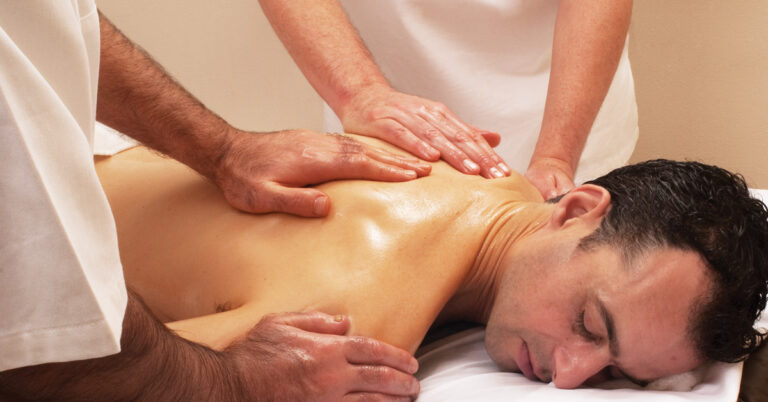
Panchakarma is not a single treatment; the word itself means “five actions” (pancha = five, karma = action/procedure). This includes therapeutic emesis (Vamana), therapeutic purgation (Virechana), therapeutic enema with decoction (Niruha Basti), enema with unctuous substances (Anuvasana Basti), and trans-nasal drug administration (Nasya).But before any of these main procedures begin, the body is carefully prepared. The preparatory phase (Purvakarma) involves oleation therapy (Snehana) — internal and external administration of medicated fats — and sudation (Swedana), or therapeutic sweating. These procedures detach dosha from their sites of vitiation, liquefy them, and move them towards the gut so they can be expelled.
This is the elegance of Panchakarma’s mechanism. The medicated oils — carefully chosen after assessment of the patient’s constitution and condition — are able to penetrate the finest capillaries and micro-channels of the body where Ama has settled. These fats don’t merely coat the tissues; they draw the lodged toxins loose, scrape the channels clean, and pull the accumulated residue downstream toward the gut. From there, the appropriate Panchakarma procedure expels them out of the body through the most natural route — upward through vomiting, downward through purgation or enema, or outward through the nasal passage.
A Treatment Matched to the Dosha
Each of the five procedures targets a specific dosha (biological force). Therapeutic emesis (Vamana) is best for expelling vitiated Kapha, which predominantly accumulates in the chest and upper body. Therapeutic purgation (Virechana) is the ideal remedy for aggravated Pitta, whose primary seat is the navel and digestive tract. Medicated enemas (Basti) are the best treatment to combat vitiated Vata, whose predominant seat is the colon.
Since Vata is the driving force for all activities in the body and also a controller of Pitta and Kapha, when Vata is balanced through Basti, the disturbed Pitta and Kapha too get pacified. All functions come back to rhythm, there is rejuvenation of tissues, organs are rehabilitated, the body gains strength and endurance, and immunity is established. This is why the classical texts describe Basti as ardha chikitsa — half of all treatment.
What Happens After Purification?
Purification results in improvement in the functioning of agni (digestive and metabolic intelligence), clarity of sense organs, mind, intellect, strength, and virility. As Charaka Samhita further enumerates: clarity of mind (Buddhi Prasada), strength of the sense organs (Balam Indriyanam), stability of tissues (Dhatu Stiratva), a keen digestive fire, and even a slowing of the ageing process are the fruits of a well-administered purification.
These therapies are effective in managing chronic diseases by removing toxins like Ama, and are also helpful in the prevention of diseases and the preservation and promotion of health.
Importantly, Panchakarma eradicates disease from its roots — unlike palliative approaches that may suppress symptoms and allow recurrence.
Panchakarma is Not One-Size-Fits-AllIt is crucial to understand that Panchakarma is never a self-administered process. The strength and suitability of the individual must be assessed before treatment, and the state of dosha aggravation must meet specific criteria before the procedures are initiated. The choice of which of the five procedures to perform, in what sequence, and for how many days is a clinical decision made by the vaidya based on deep observation of the patient.
In the fast-paced world of today, Panchakarma stands as a reminder that real healing is unhurried, personalised, and rooted in understanding the whole person — body, senses, mind and soul.
Note: Samhita references cited above draw from Charaka Samhita (Sutra Sthana 7/46, 16/13–20, Siddhi Sthana 1/40) and Sushruta Samhita (Chikitsa Sthana 33/3)
Home 10 ways to calm acidity -The ayurvedic way April 6, 2026 The dryness in my throat in the morning-Oh...
Home How Panchakarma Detox Helps Clean Your Body April 6, 2026 The ancient science of Ayurveda is both deep and...